

Free shipping on every order 🎉


Shall we fill it with something?
 One Piece Wrist Bracelet/Wristband…
Original price was: $19.98.$9.99Current price is: $9.99.
Add to cart
One Piece Wrist Bracelet/Wristband…
Original price was: $19.98.$9.99Current price is: $9.99.
Add to cart


Free shipping on every order 🎉
Shall we fill it with something?
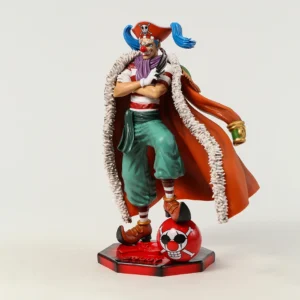
 One Piece Franky Figure
One Piece Wrist Bracelet/Wristband…
One Piece Franky Figure
One Piece Wrist Bracelet/Wristband…
Real, sharp kunai are generally classified as throwing knives under US law and legality varies by state and city — home ownership is legal in most states, but carrying one in public can be more restricted, and this isn’t legal advice. For cosplay and conventions, a blunt rubber, foam, or dulled-metal prop kunai is the safer, more con-friendly choice: it has no functional edge, gets accepted at peace-bonding check-in, and is legal to own and carry in far more places than a sharpened real blade.
Naruto put the kunai on the map. Every ninja in the series carries one, throws one, or deflects one, and if you’ve ever shopped for anime cosplay gear you’ve probably typed “kunai knife” into a search bar at some point. But before you add one to cart, it’s worth asking the question a lot of fans skip: are kunai knives actually legal to own, carry, or bring to a convention?
This guide breaks down what a kunai really was before anime got involved, how Naruto changed the design into the throwing weapon everyone recognizes today, the general legal landscape around throwing knives in the US, and how to shop for a prop version that’s safe, con-friendly, and won’t get you turned away at security.
Long before it was a ninja’s signature throwing weapon, the kunai was a farming and construction tool. Historians generally trace it back to a simple leaf-shaped or spade-shaped implement used in feudal Japan for digging, prying, and rough carpentry — closer to a masonry trowel or a gardening spike than a blade meant for combat. Its flat, pointed shape made it useful for gouging small holes in walls, loosening mortar between stones, or working soil, and that same shape happened to double as a handy climbing aid — wedged into a wall or gap, it could give a foothold for scaling a surface.
Some historical accounts also link the kunai to shinobi tradecraft in a very unglamorous way: as a multi-purpose utility tool carried for practical fieldwork rather than a dedicated weapon. It could be improvised for self-defense in a pinch, the same way any pointed tool can, but that wasn’t its primary job. The image of a ninja whipping a kunai across a battlefield like a throwing dart is largely a modern pop-culture invention layered on top of a much more mundane real-world tool.
Naruto took that humble digging tool and turned it into one of the most recognizable weapons in anime. In the series, the kunai is reimagined as a lightweight, ring-handled throwing blade — the signature silhouette with a looped pommel that fans instantly picture the moment someone says “kunai.” Ninja in the show carry them by the dozen, throw them with pinpoint accuracy, attach exploding tags to them, and even use them mid-air as a teleportation marker for techniques like the Flying Thunder God Jutsu.
That’s a huge leap from the real tool’s origin. The anime version is built for aerodynamics and dramatic flair — thin blade, balanced weight, a handle shaped for a fast release — while the historical kunai was built for prying and digging, not flight. It’s a great example of how anime takes a real piece of Japanese history and remixes it into something more visually iconic than the source material ever was. That reinvented look is exactly what most fans are shopping for when they search “kunai knife” or “Naruto kunai” — not a historically accurate replica, but the sleek anime silhouette.
Quick disclaimer: this section is general information, not legal advice. Laws vary by state and even by city, so always check your state and local laws before purchasing, carrying, or shipping a kunai.
A real, sharp kunai is generally classified as a throwing knife under US law, and throwing knives sit in a legal gray area that shifts depending on where you live. Here’s the broad shape of how these laws tend to work, without pinning down specifics for any one state:
Because this patchwork changes from state to state (and sometimes city to city), there’s no single “yes it’s legal” or “no it’s banned” answer that applies everywhere. Again: this is not legal advice — check your state and local laws before purchasing a real kunai, and when in doubt, contact your local police non-emergency line or a local attorney for a definitive answer.
If what you actually want is the Naruto look for a costume, a photoshoot, or a con badge reel, a bladed real kunai isn’t just legally murkier — it’s overkill. A blunt, rubber, or plastic prop kunai gets you the exact same silhouette fans recognize, works for stage combat and photos, and is legal to own and carry in dramatically more places than a sharpened metal version.
Most anime and comic conventions require exactly this kind of prop for any weapon-shaped item, real or fake. Standard con weapons policies generally require:
Every convention writes its own policy, so treat the points above as a general pattern, not a guarantee — always check the specific con’s weapons and prop rules on their website before you go, and budget time for peace bonding at check-in.
Not all prop kunai are built the same, and a few details separate a piece that photographs great and survives a full con weekend from one that snaps or scuffs after an hour.
Material. Soft rubber or EVA foam kunai are the safest and most convention-friendly option — they flex instead of chip, weigh almost nothing, and won’t set off a second look from security. Hard plastic (ABS or similar) holds detail and a sharper finish for photos but is stiffer and less forgiving in a crowd. Blunt metal props with rounded, dulled edges give the most screen-accurate weight and sound but are the option most likely to run into venue-specific restrictions, so double-check before bringing one anywhere outside your own house.
Weight and balance. A prop that’s too light can feel and photograph as flimsy, while one that’s too heavy is uncomfortable to holster or clip on for hours. Rubber and foam versions in the 30–60 gram range tend to hit the sweet spot for all-day wear without dragging on a belt or thigh holster.
Set size. Kunai rarely show up solo in the anime, so most cosplayers pick up a set of 3 to 6 pieces rather than a single blade — enough to fill a back holster or bandolier strap the way the show does, without buying and re-buying individual pieces.
Finish. Look for a matte or brushed metallic paint job over a glossy one — it reads as more screen-accurate under con lighting and hides scuffs from a long day of photos better than a shiny finish does.
If swords are more your speed than throwing knives, check out our mini katana guide for sizing and display tips.
Naruto merch is coming soon to Nakama Wear. We’re building out a full Naruto collection — prop and display-only kunai, headbands, Akatsuki hoodies, and Hidden Leaf apparel — so keep that page bookmarked while we get it stocked. Every kunai piece we carry is intended strictly for cosplay, display, and photo use, not as a functional weapon.
If you haven’t already, check out our Naruto Headband Guide for the other half of the classic Hidden Leaf look while you wait on kunai stock.
In the meantime, if you’re into streetwear and cosplay-adjacent gear, Nakama Wear built its name on One Piece, and a couple of our best-sellers are worth a look:
More props, more villages, more nakama — believe it.
There’s no single nationwide answer — kunai are generally treated as throwing knives, and laws on owning and carrying them vary by state and even by city. Home ownership is legal in most states, but carrying one on your person can be more restricted. This isn’t legal advice; check your state and local laws before purchasing a real kunai.
Usually yes, as long as it’s blunt with no functional edge, made from foam, rubber, or dulled material, and gets peace-bonded (tagged or zip-tied) at the convention’s weapons check-in. Every con sets its own weapons policy, so check the specific event’s rules before you pack it.
The kunai started as a Japanese farming and construction tool, used for digging, prying, and rough masonry work — closer to a trowel or a gardening spike than a weapon. Its flat, pointed shape also made it useful as an improvised climbing aid. The throwing-weapon version fans know today comes from anime like Naruto, not history.
Yes, rubber and foam prop kunai are the safest option for cosplay — they have no functional edge, flex instead of chip or shatter, and are accepted at the vast majority of conventions once peace-bonded. They’re built for photos and stage props, not cutting or throwing at a target.