


Naruto Headband Guide: Every Village Symbol & How to Wear One
A Naruto headband (hitai-ate) is the official ninja rank mark in the series — a stamped metal plate engraved with a hidden village’s symbol, riveted onto a cloth band. Naruto Uzumaki wears his the classic way, tied bandana-style around the forehead, though other characters wear theirs on the arm, neck, or waist, and a headband with the symbol scratched through marks its wearer as a missing-nin who has abandoned their village.
Key Facts
- Japanese term: hitai-ate, literally "forehead protector"
- Structure: a stamped metal plate engraved with a village symbol, riveted onto a cloth band
- 7 major village symbols covered: Leaf (spiral), Sand (hourglass), Mist (wave), Cloud (swirl), Stone (jagged rock), Sound (musical note), Rain (raindrop)
- Alternate wear styles: forehead (Naruto), upper arm (Shikamaru), neck (Hinata), waist (Karin)
- Scratched symbol meaning: marks a missing-nin who has defected from their village — e.g. Sasuke, most of Akatsuki
- Material tip: a metal (steel/zinc-alloy) plate + cotton or cotton-spandex band holds up far better than a plastic-plate costume version
Ask any Naruto fan to name one piece of gear that instantly reads “ninja” and the hitai-ate wins every time. That metal-plated cloth band is doing more storytelling in one glance than most props manage in a whole cosplay — it tells you someone’s home village, their rank, and sometimes, if it’s scratched clean through, their entire backstory. It’s also one of the most searched Naruto accessories on the planet, and for good reason: it’s simple, instantly recognizable, and works for literally any character build from Academy graduate to S-rank missing-nin.
This guide covers what the headband actually represents in the story, every major village symbol you’ll see across the series, the different ways characters actually wear theirs, and what to look for if you’re buying a real metal-plate replica instead of a flimsy costume-shop version.
What Is a Shinobi Headband, Exactly?
In the Naruto universe, the hitai-ate (額当て — literally “forehead protector”) is the official mark of a ninja who’s graduated the Academy and been recognized by a hidden village. It’s not just decoration. Earning the right to wear one is a rite of passage — the entire first arc of the original series builds toward Naruto, Sasuke, and Sakura finally strapping theirs on as genin.
Structurally it’s simple: a stamped metal plate, engraved with the village’s symbol, riveted onto a length of cloth. That simplicity is exactly what makes it such good visual shorthand. One look at the plate tells you where a ninja is from, and if that plate has a scratch gouged through the symbol, it tells you they’ve cut ties with that village entirely — voluntarily or not. Few costume pieces in anime carry this much lore in something this small.
Every Hidden Village Symbol, Explained
Naruto’s world runs on five great shinobi nations plus a handful of smaller villages, and each one has its own instantly recognizable headband symbol. If you’re building a cosplay, picking a collector’s piece, or just trying to keep your Naruto lore straight, here’s every major village symbol side by side.
| Village | Symbol Meaning | Notable Ninja |
|---|---|---|
| Konohagakure (Hidden Leaf) | A stylized leaf/spiral, representing the Land of Fire’s dense forests and the village founded by the First Hokage | Naruto Uzumaki, Sasuke Uchiha, Kakashi Hatake |
| Sunagakure (Hidden Sand) | An hourglass shape, nodding to the Land of Wind’s desert terrain and its ninja’s patience-heavy fighting style | Gaara, Temari, Kankuro |
| Kirigakure (Hidden Mist) | A stylized wave or water droplet, tied to the Land of Water’s coastal geography and the village’s brutal graduation history | Zabuza Momochi, Kisame Hoshigaki |
| Kumogakure (Hidden Cloud) | A swirling cloud motif, referencing the Land of Lightning’s mountain-top location above the clouds | Killer Bee, A (the Raikage) |
| Iwagakure (Hidden Stone) | A jagged rock/mountain shape, representing the Land of Earth’s rugged terrain and the village’s defensive doctrine | Deidara, Onoki |
| Otogakure (Hidden Sound) | A musical note, a symbol invented by Orochimaru for his own splinter village rather than a natural nation | Kabuto Yakushi, Orochimaru |
| Amegakure (Hidden Rain) | A raindrop shape, matching the village’s near-constant rainfall and its history of war-torn isolation | Pain (Nagato), Konan |
| Akatsuki (defector mark) | Each member’s original village symbol, scratched through with a horizontal gouge to show they’ve renounced their village | Itachi Uchiha, Kisame Hoshigaki, Deidara, Sasori |
How Ninja Actually Wear Their Headbands
Most fans picture the headband one way — tied around the forehead — but the series actually gives a handful of characters their own signature placement, and it’s a fun detail if you’re planning a cosplay or just want to wear yours differently.
- Head (the classic): Naruto Uzumaki wears his the default way — tied bandana-style around the forehead with the tails hanging behind, plate facing forward. This is the placement most shinobi use, and it’s the easiest to replicate.
- Arm: Shikamaru Nara skips the forehead entirely and ties his around his upper bicep instead — a small detail that fits his “too lazy to fuss with it” personality perfectly.
- Neck: Hinata Hyuga wears hers as a choker-style band around her neck in Part 2, which reads almost like jewelry while still marking her as a Leaf shinobi.
- Waist: Karin wears her Sound headband on her hip like a belt accessory after joining Sasuke’s Taka squad — and hers is scratched, doubling as a defection mark.
None of these placements change what the headband means — it’s still proof of village affiliation — but the variety is part of why the accessory works so well as a customizable cosplay piece. You can style it however fits your build without breaking canon.
Real vs Replica: What to Look for When Buying a Naruto Headband
Not all Naruto headbands are built the same, and if you’re shopping for one — whether for a con, a photoshoot, or just to wear because it looks good — a few details separate a piece that holds up from one that snaps in an hour.
Metal plate vs. plastic plate. Screen-accurate hitai-ate use a real stamped-steel or zinc-alloy plate, which gives that satisfying weight and a mirror-polished finish that photographs well. Budget costume versions swap that for a lightweight plastic or resin plate — fine for a quick Halloween costume, but it scratches, warps, and loses its shine fast. If you want something that survives more than one wear, metal plate is worth the upgrade.
Band material. The cloth strap matters more than people expect. Cotton twill holds a knot well and looks closest to the anime, while a cotton-spandex or elastic blend is more forgiving for long con days since it won’t dig into your skin the way stiff canvas can. Avoid pure synthetic bands that feel plasticky — they tend to fray at the edges after a few wears.
Sizing. Most headbands are sold as one-size-adjustable, with a strap long enough to tie for an adult head (roughly 22–24 inches) with room to spare for a bicep, neck, or waist placement if you’re going for one of the non-standard styles above. If you’re buying for a kid or a smaller build, check the listed strap length before ordering — a too-long band just means more excess fabric to tuck, not a bad fit.
Shop it: our Hidden Leaf headband replica ships with the metal plate and adjustable band this section just covered.
What Does a Scratched Akatsuki Headband Mean?
This is one of the most-asked questions in the fandom, and it’s worth its own section: a scratched headband is Naruto’s universal symbol for a missing-nin — a shinobi who’s abandoned their village, whether by choice or by force. The scratch is literal: someone takes a blade or chisel to their own hitai-ate and gouges a line straight through the village symbol, defacing the thing that once marked them as a loyal ninja.
Almost every member of Akatsuki wears one. Itachi’s scratched Leaf plate, Kisame’s scratched Mist plate, Deidara’s scratched Stone plate — each one is a small, permanent confession that they turned their back on where they came from. It’s also one of the most iconic character beats in the entire series: Sasuke gouging his own Leaf headband before walking away from Team 7 to chase Orochimaru is one of the most-referenced moments in the whole franchise, and it’s the reason “why does Sasuke scratch his headband” is such a common search on its own.
Where This Fits Into Nakama Wear
Naruto merch is coming soon to Nakama Wear. We’re building out a full Naruto collection — headbands, kunai and shuriken cosplay props, Akatsuki hoodies, and Hidden Leaf apparel — so keep that page bookmarked while we get it stocked.
In the meantime, if you’re into streetwear and cosplay-adjacent gear, Nakama Wear built its name on One Piece, and a few of our best-sellers are worth a look while you wait on Naruto stock:
- Longline T Shirt – Luffy Merch — one of our top-selling pieces, the same everyday-wearable energy a Naruto fan will recognize instantly.
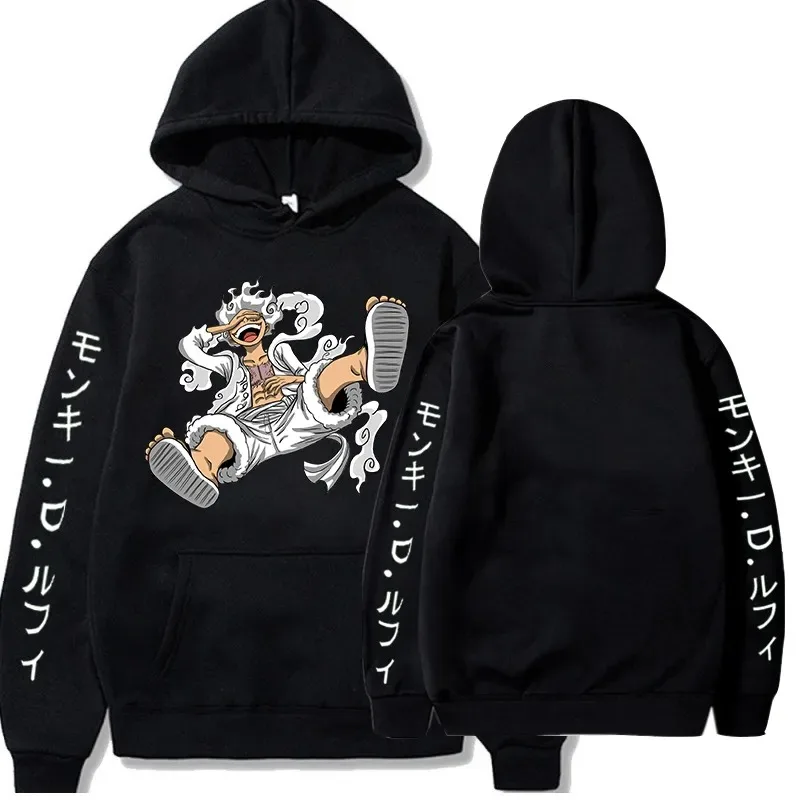
- Luffy Gear 5 Hoodie: Sun God-Inspired Autumn & Winter Streetwear — cold-weather streetwear if you’re stocking up before con season.
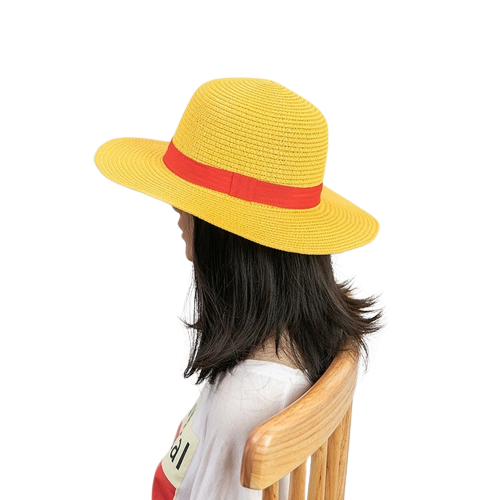
- One Piece Straw Hat Luffy: Authentic Weaved Cosplay Hat — the same “wear your fandom” energy as a hitai-ate, just from a different crew.
More headbands, more villages, more nakama — believe it.
Which village is Naruto’s headband from?
Naruto Uzumaki’s headband is from Konohagakure, the Hidden Leaf Village, marked by the stylized leaf/spiral symbol. He wears it the classic way, tied bandana-style around his forehead.
Why does Sasuke scratch his headband?
Sasuke gouges a scratch through his Leaf headband right before he leaves the village to join Orochimaru, using the damaged symbol to declare he’s cutting ties with Konoha and Team 7. It’s one of the most iconic moments in the whole series.
Can you wear it to conventions?
Yes. A Naruto headband is one of the most con-friendly accessories out there — it’s lightweight, sets off no prop-weapon restrictions, and pairs with almost any cosplay or even streetwear. Look for a cotton or cotton-spandex band so it stays comfortable through a long con day.
What’s it called in Japanese?
It’s called a hitai-ate, which literally translates to “forehead protector.” The term covers the whole piece — metal plate and cloth band together — not just the engraved symbol.